Minack Theater
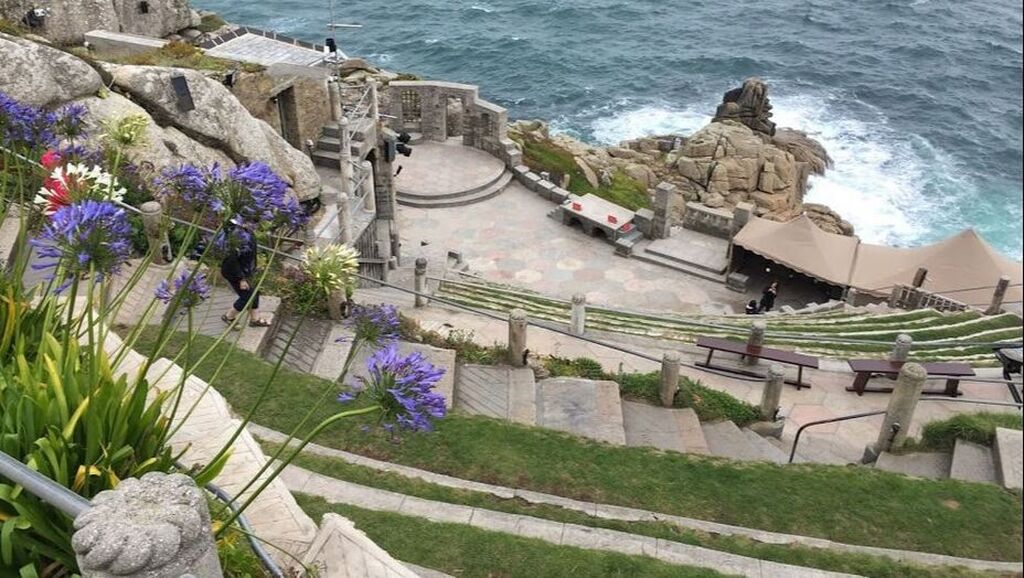
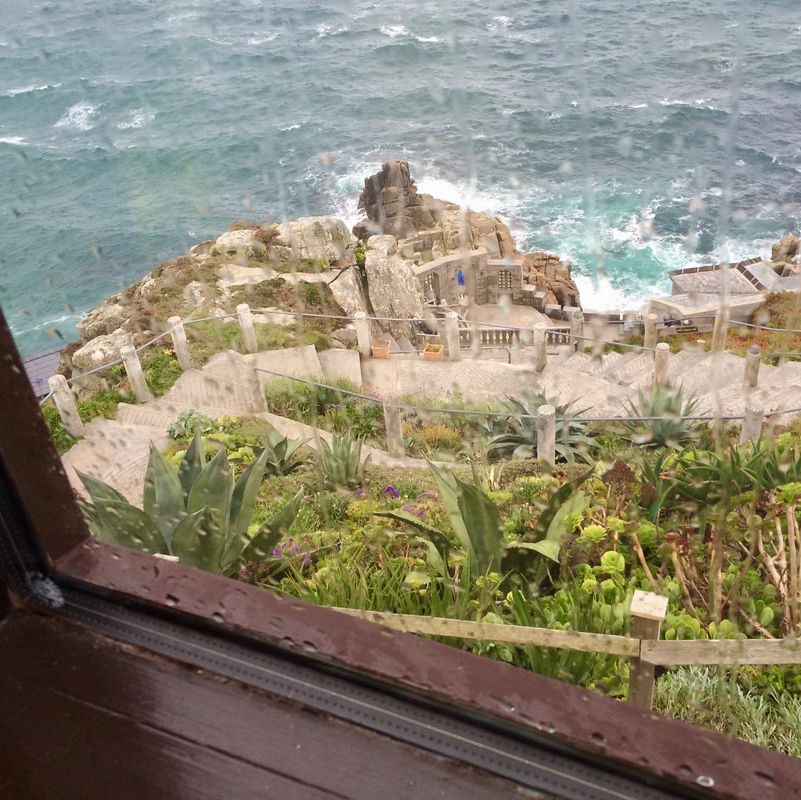
The word minack comes from the Cornish word meynek, which means "rocky place". Back in 1931, this area was just a sloping cliff covered in thick gorse, with a ninety-foot drop to the choppy sea below.
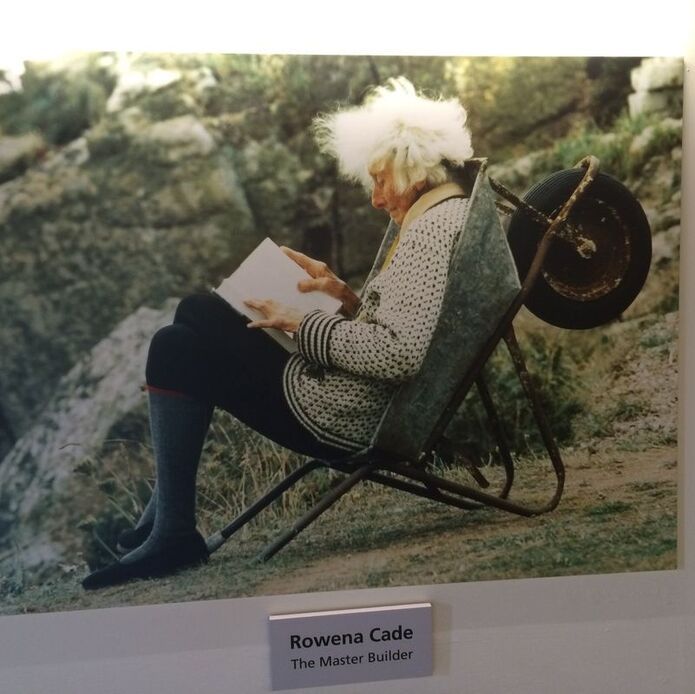
Rowena Cade was the genius behind the Minack Theater. Rowena moved to Cornwall in the early 1920s and bought the Minack headland for £100. In 1929 she got involved with an open-air production of Shakespeare’s A Midsummer Night’s Dream, which was such a success that the theater company wanted to stage more productions.
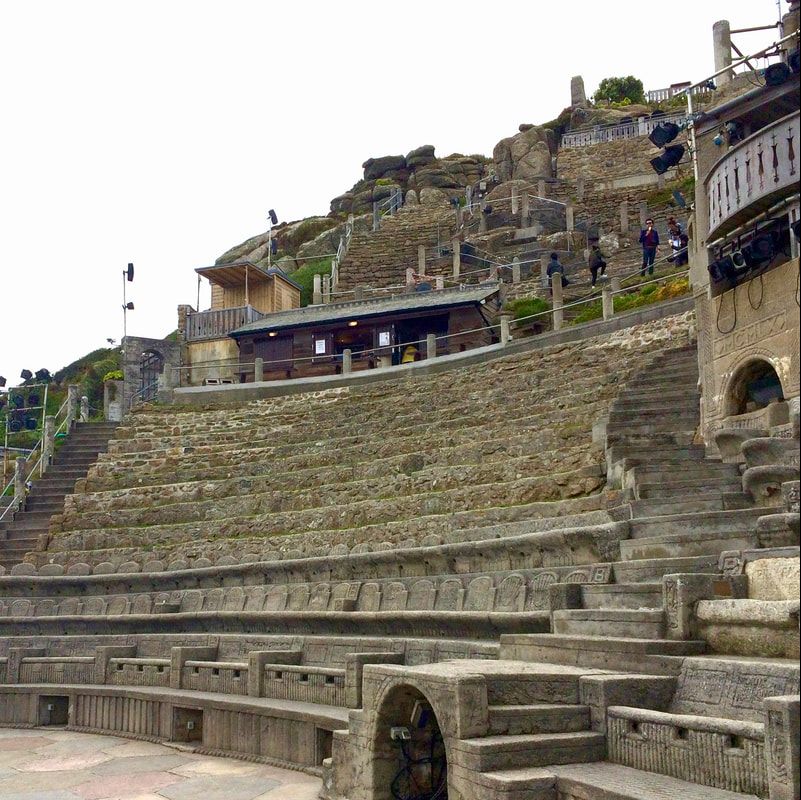
So Rowena offered them the use of her cliff garden and then spent a lifetime designing and creating the open area arena, building much of the structure with her own hands. Rowena and her helpers worked mostly with hand tools, although the occasional stick of dynamite did come in handy.
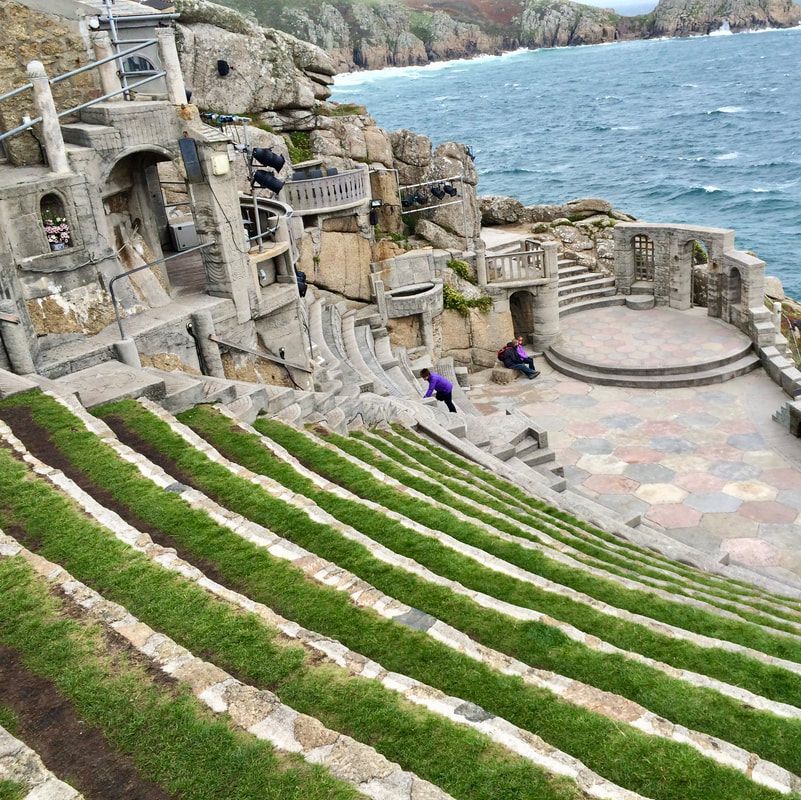
According to Rowena, "… my gardener, Billy Rawlings, [and] another Cornishman cut up [huge boulders] by hand, much as the English cut butter. A few slices fell into the [sea] as they split, followed by some good dialect expressions of regret; most were handled into position inch by inch with bars, on the slippery slope where a careless step would have meant a ninety foot fall into the churning sea. I filled in behind them with earth and small stones."
|
|
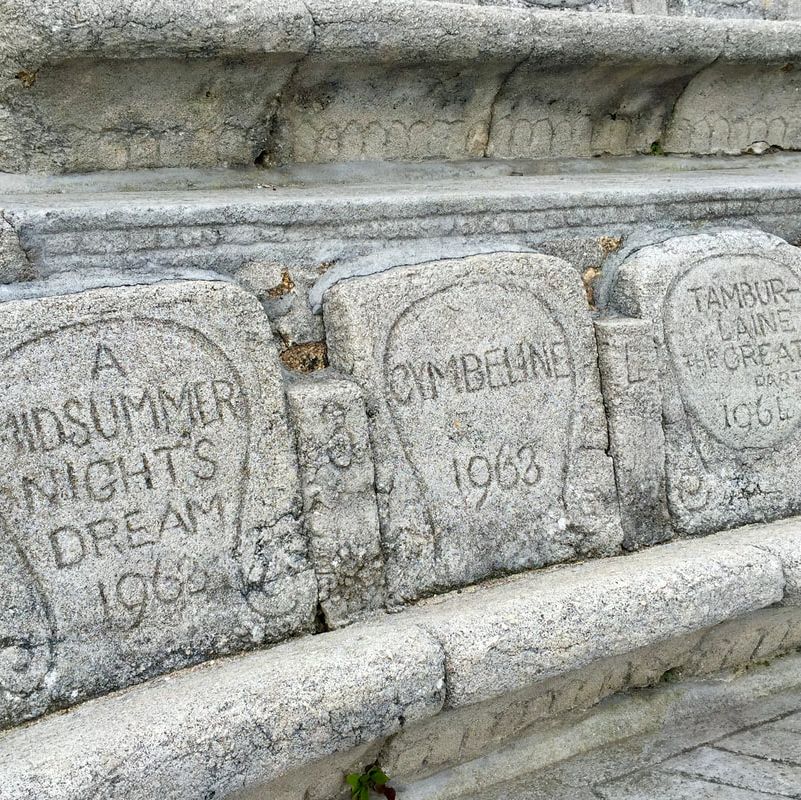
The structures were created from concrete mixed with sand from the beach, which Rowena and her crew carried up the cliff in bags. Using a screwdriver, Rowena etched complex designs into the wet concrete, and many of the seats bear the names and dates of plays performed in the theater.
200 live performances are performed under the stars here each year, including plays, opera, musicals, concerts, and children’s events, with tens of thousands of people coming to experience the magic. We've not been to a performance here but the theater is spectacular on its own.
200 live performances are performed under the stars here each year, including plays, opera, musicals, concerts, and children’s events, with tens of thousands of people coming to experience the magic. We've not been to a performance here but the theater is spectacular on its own.